
Xeal has launched a new platform that will use idle electric vehicle charging capacity to power AI compute.
The company, which operates charging infrastructure in 500 cities across the US, has unveiled Laitent, a network of Edge data centers which it says will be able to tap into more than 200MW permitted and installed electrical infrastructure across 1,600 different locations.
It intends to deploy 100,000 Nvidia GPUs at these locations, which will be available to run AI inference workloads.
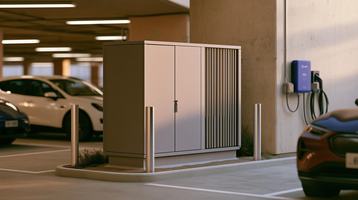
EV charging sites must be permitted for a maximum energy charging load, but typically operate at less than 10 percent of permitted capacity, Xeal claims. This means, in theory, 90 percent of capacity is spare and ready to route to GPUs.
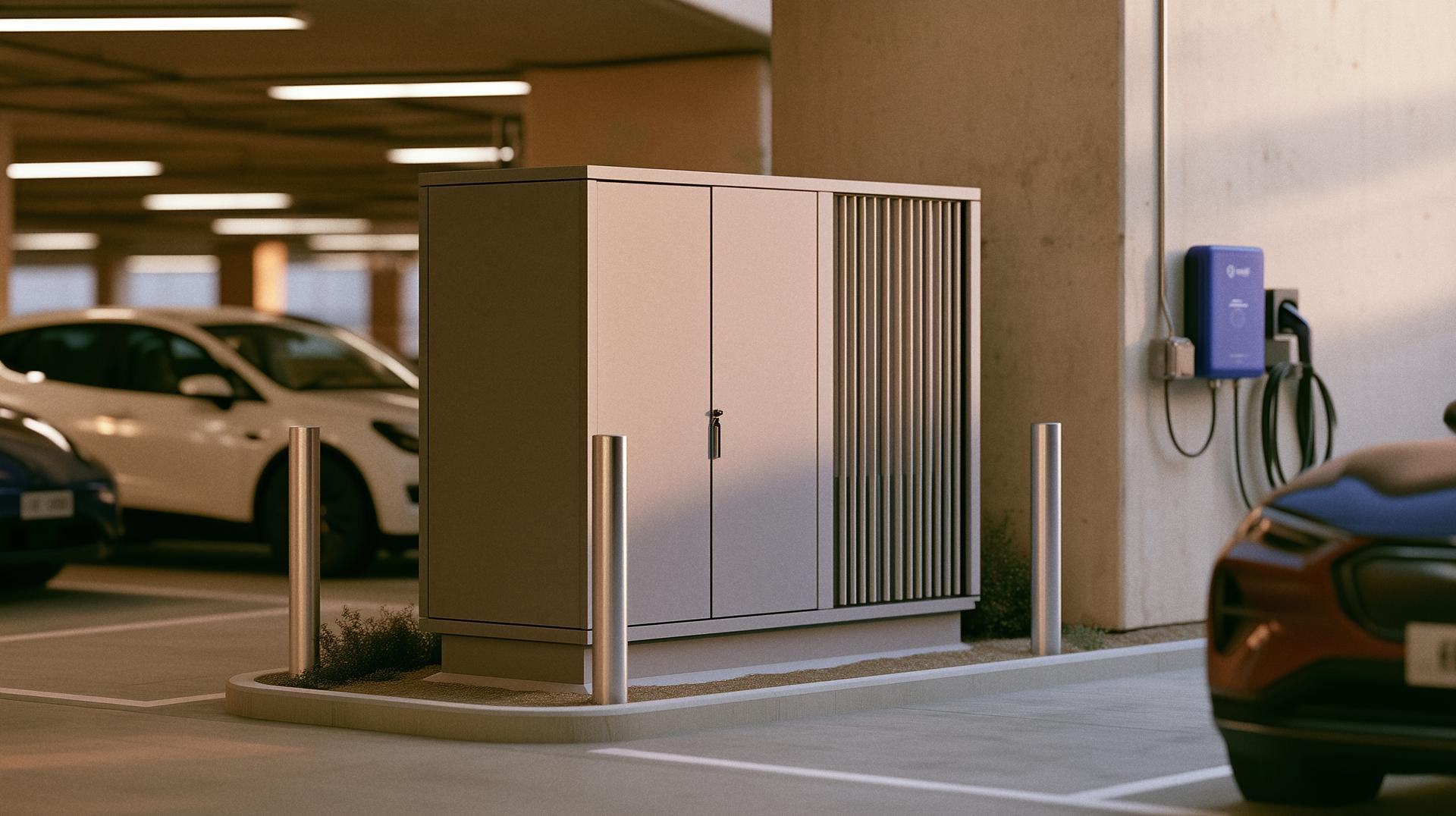
The Laitent Pods developed by Xeal use dynamic power orchestration software, capable of activating a single slice of a single GPU or orchestrating a network across several different installations in a single city.
Each pod is approximately the size of one parking space, and can house up to 48 Hopper or Blackwell GPUs. They do not require a water connection.
“If you need inference compute today and can’t wait for a new data center to come online, Laitent can accelerate your timeline from years to months,” said Nikhil Bharadwaj, co-founder and CEO of Xeal. “Laitent is the fastest way to bring new compute online, tapping already permitted and grid-connected, yet idle energy capacity, located right where it's needed for ultra-low latency, with no water hookup requirements.”
Xeal was worked with Rafay Systems for AI infrastructure orchestration, Spectrum Business for fiber, and JVM Realty to bring the pods online, with first deployment expected before the end of the year.
The company is touting big financial benefits for car park owners, claiming the pods could add $1 million to the value of their properties for “little or no investment.”
It is not the first firm to think of putting AI compute in car parks.
AI music platform-turned-data center firm Auddia said in March that it intends to deploy solar-powered GPUs in the parking lots of sites owned by a medical real estate firm, with a pilot set to be launched in the Dallas area.
Belgian startup Tonomia last year announced it was working with UK hardware provider Panchaea to offer a distributed AI platform housed in solar canopy systems in parking lots, known as eCloud.





Comments