
Nvidia has claimed its DSX reference architecture for AI data centers will help make facilities more water- and power-efficient.
Dubbed the DSX AI Factory Platform, Nvidia said that the offering, first unveiled at GTC San Jose earlier this year, will allow customers to build AI data centers that minimize the amount of water consumed by cooling technologies by up to 100 percent, whilst also utilizing up to 30 percent less power for the same output.
To support the platform, Nvidia has introduced DSX POD, a modular version of the reference design for Vera Rubin-powered AI data centers. Built in containers that have been integrated and validated ahead of delivery, the company said the units can be connected to a prepared site’s power, cooling, networking, and other supporting infrastructure to reduce deployment time from six months to 14 days.
Nvidia is working with Anduril, Armada, Bull, Crusoe, DayOne, Dell Technologies, Delta, Eaton, Foxconn, Gigabyte, HPE, Lenovo, Pegatron, Quanta Cloud Technology, Schneider Electric, Vertiv, and Wistron to deliver DSX POD facilities worldwide in early 2027.
To achieve the reduction in water consumption, Nvidia said the DSX platform connects liquid-cooled compute with dry-cooler-based heat rejection that avoids evaporation – combining closed-loop liquid cooling technology with outdoor dry coolers, which release the heat absorbed and circulated in the closed loop into the air without evaporating water.
When deployed at a 2GW scale, Nvidia claims this approach can save 54 million liters of water a day when compared with conventional cooling-tower-based systems, although it did note that certain climates may require additional mechanical cooling during periods of extreme heat.
Meanwhile, Nvidia has also introduced DSX MaxLPS and DSX Flex in an effort to address power availability constraints.
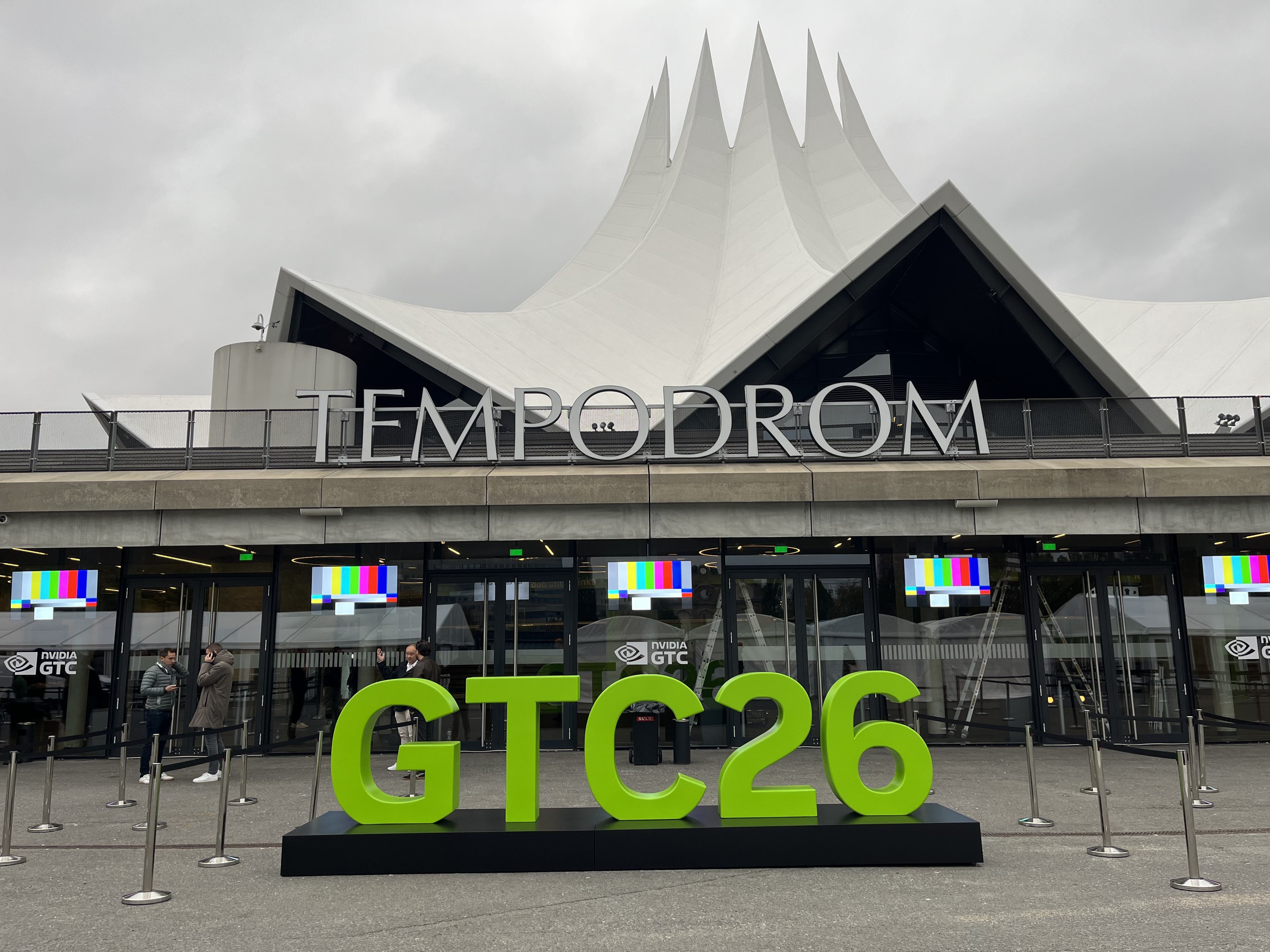
Speaking to media ahead of the announcement at GTC Berlin this week, Nvidia’s Ian Buck said that when there’s an energy spike and “the grid needs an extra gigawatt, our data centers can be a resource to respond to that need.”
DSX MaxLPS “dynamically allocates power” within an AI data center’s provisioned budget to help operators generate the same token output with 30 percent less power, the company said. Furthermore, Nvidia claims DSX Flex will allow AI data centers to become “flexible assets of the power grid” and adapt workload power consumption to meet utility needs, grid spikes, and energy prices – automating interactions between grid operators and data centers to help the latter better respond to “dynamic needs.”




Comments