
The shutdown of older-generation mobile networks has accelerated in recent years, as operators reallocate spectrum and resources to more efficient technologies, such as 4G and 5G. In France, Orange completed the shutdown of its 2G network in October 2026 and plans to phase out 3G in 2028, while in Spain, Vodafone has also made progress in phasing out this technology.
In Latin America, the 3G shutdown initiated by Entel in La Paz is part of this global trend, which aims to optimize network capacity and respond to the growth in data traffic, although it requires planning for the migration of users and devices that still rely on legacy technologies.

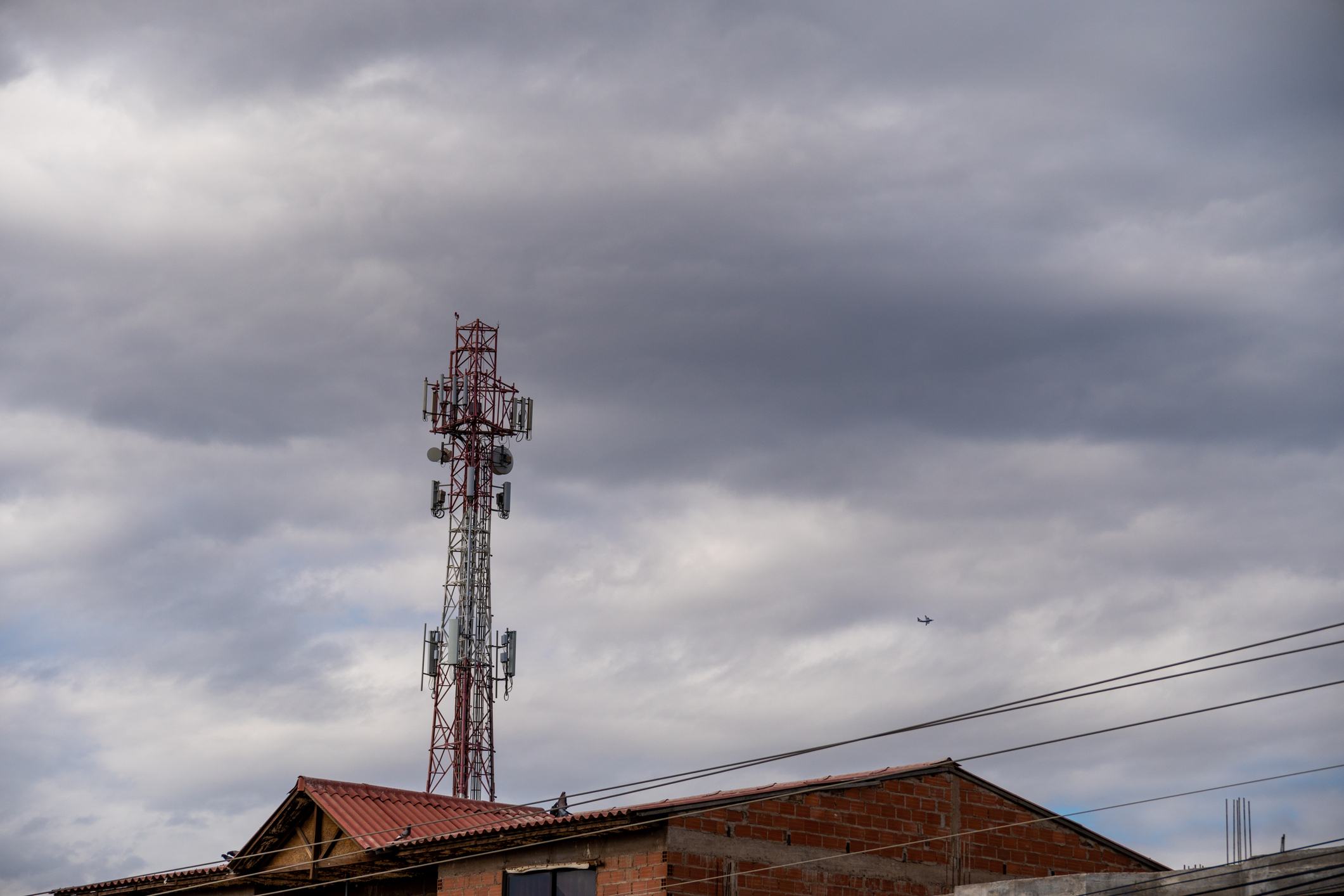
The shutdown began in the Bolivian capital on October 22, 2026, and, for now, is limited to the region of La Paz. According to the Ministry of Public Works, Services, and Housing, Entel will cease operating 3G on the 850MHz band to strengthen LTE services.
This process, known as refarming, involves reassigning frequencies used by an older technology to a newer one. This allows for the efficient use of available spectrum without relying exclusively on the acquisition of new bands, although its specific results depend on the network configuration and traffic demand.
Entel has not specified how much additional capacity it expects to gain from the change, nor has it announced a timeline for extending the shutdown to other departments.
The transition also entails changes for customers who still use phones compatible only with 3G. Entel has recommended that they upgrade their devices to maintain access to mobile services following the network modification.
The upgrade comes as the carrier seeks to move toward greater 5G adoption.
Entel’s process is part of a regional trend toward the phased retirement of legacy mobile technologies and the reallocation of resources to newer networks. The goal is to address the increase in data traffic and improve the utilization of limited radio infrastructure.
For operators, these decisions require balancing spectral efficiency with service continuity for users who still rely on older devices. Planning must take into account both the upgrade of the access network and the migration of customers, as well as terminal compatibility.
In Bolivia, the next step will be to determine whether Entel extends the shutdown to other regions and how its modernization strategy evolves. The reallocation of frequencies will allow for the optimization of existing resources, while the expansion of more advanced technologies will depend on the operator’s investments and deployment schedule.
This piece was translated from DCD's Spanish site and edited by a member of DCD staff.






Comments